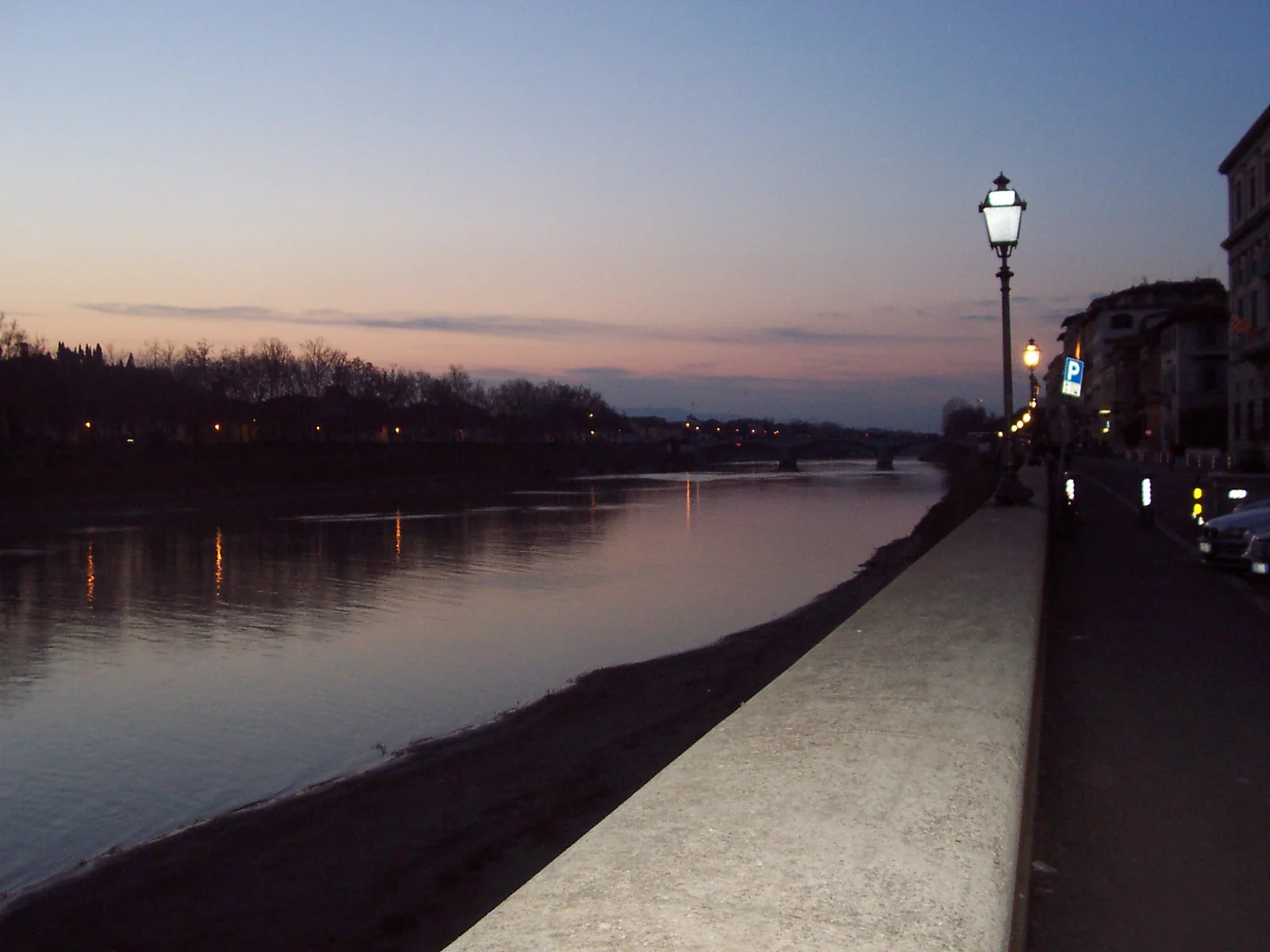
Florence is compact enough for a rewarding day on foot, but its short distances can be misleading. The Uffizi, Accademia and cathedral complex each deserve more attention than a quick stop between photographs.
For a first visit, choose one major museum, walk through the centre and cross the Arno for the afternoon. This route starts with Michelangelo’s David at the Accademia, then takes you past the Duomo, Piazza della Signoria and Ponte Vecchio. There is an alternative for anyone who would rather spend the morning at the Uffizi, plus a straightforward way to turn the day into a two-day stay.
Make one booking the centre of the day
The Accademia is a good fit if seeing David is your priority and you want to keep plenty of time for the city outside. Allow around 60–90 minutes for a focused visit, or longer if you want to explore its paintings and musical instruments as well. That is a suggested pace, not a time limit.
Choose the Uffizi instead if Renaissance painting is the main reason you are coming. Give it roughly two to three hours for a selective first visit, with more time if you enjoy looking closely. You will need to shorten another part of the day to make room.
Both museums normally close on Mondays. Their holiday calendars and special openings can differ, so check your date before committing to the route. If you are arriving by train, leave a generous gap between your scheduled arrival and the museum appointment. Getting off the train, storing bags and finding the entrance are all part of the journey.
Morning: see David before the city walk
Start at the Accademia with your reserved entry. An Accademia Gallery entry ticket suits an independent visit. David is the obvious highlight, but pause with Michelangelo’s unfinished Prisoners too. Their figures emerge from rough blocks of marble, giving you a very different way to look at sculpture before you reach the completed statue.
Move around David where the visitor route allows: the proportions and pose change noticeably with the viewing angle.
Afterwards, walk south towards Piazza del Duomo. This brings the cathedral into the day naturally, without a cross-city detour.
At the Duomo, choose ground level or a climb
You can enjoy the cathedral’s exterior, Giotto’s Bell Tower and the Baptistery as part of the walk. Going inside individual monuments takes more planning.
The cathedral itself has free visitor admission and does not require a ticket or reservation. Its visiting hours are limited, and it is closed to sightseeing on Sundays and during religious celebrations. The dome, bell tower, museum, Baptistery and Santa Reparata have separate pass arrangements.
For this one-day route, an interior cathedral visit is the easiest addition if the queue and opening hours suit you. A dome climb should become a second fixed appointment rather than something you hope to squeeze in on arrival.
The dome involves 463 steps and has no lift. The Brunelleschi Pass requires the actual climber’s name, and an identity document is requested for the name check.
For November 2026 travel, note the scheduled maintenance closures: the dome on 16–20 November and bell tower on 9–13 November.
If your interests are more architectural than museum-focused, you could build the morning around the cathedral complex instead of the Accademia. The Opera del Duomo Museum gives the square more context without adding another long climb.
Late morning: walk into Florence’s public heart
Continue towards Piazza della Signoria. The walk passes through the busy streets of the historic centre.
Spend time around Palazzo Vecchio and the open Loggia dei Lanzi. You can take in the square and its sculpture without turning this into another full museum visit. The David outside Palazzo Vecchio is a replica; the original is at the Accademia.
From here, the Uffizi courtyard leads you towards the river.
Lunch, then Ponte Vecchio and the Oltrarno
Stop for lunch near Piazza della Signoria or across the river in the Oltrarno.
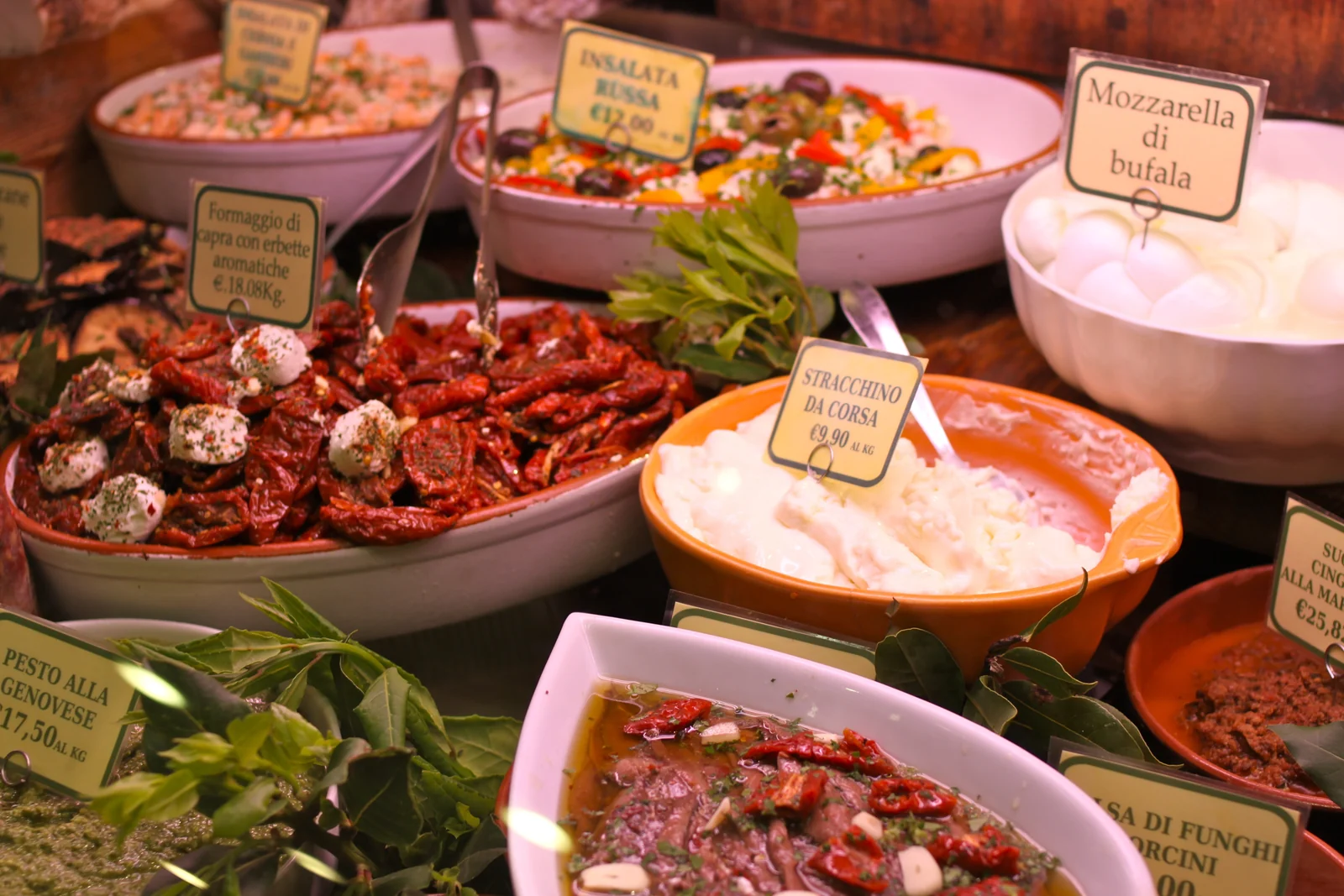

Cross Ponte Vecchio, then continue into the Oltrarno, the area on the other side of the Arno. Head towards Piazza Santo Spirito for an afternoon with fewer fixed plans. Browse, sit for a drink or simply walk the streets around the square.
You are close to Pitti Palace and the Boboli Gardens, but adding either is a substantial decision. Save them for day two unless you want to replace the afternoon walk.
Finish at the river or above the city
For an easy finish, return towards the river and enjoy the views between its bridges. This works well if you have a train to catch or have already done a climb.
If you still have energy, head towards San Niccolò and up to Piazzale Michelangelo. The terrace gives you a wide view across the river to Florence’s skyline. The uphill walk makes this a more demanding finish, particularly on a hot day.
You can also use public transport rather than walk all the way uphill. Check the current route through Florence’s bus and tram information. Leave time to return to the station if you have an evening train.
If you choose the Uffizi instead
Start with the Uffizi and bring a short list of paintings you want to see. Reserved Uffizi entry with an audio guide is one way to organise this version of the day. Botticelli’s Birth of Venus and Primavera are two of the main highlights.
After the gallery, eat lunch, enjoy Piazza della Signoria and walk north to the Duomo. Then return towards the river for Ponte Vecchio and the Oltrarno. This version has a little backtracking, but gives the museum your best attention. Drop the dome climb and make Piazzale Michelangelo optional.
With a second day
Put the other major museum on day two, then choose between more of the cathedral complex and Pitti Palace or Boboli.
If one of those days is Monday, use it for the city walk and the attractions whose own calendars permit a visit. Boboli has its own Monday closure pattern, so it is not a reliable automatic substitute for the closed galleries.
Quick questions
Can you see the Uffizi and Accademia in one day?
Yes, with suitable reservations and a strong interest in art. Keep the rest of the day modest.
Is Florence manageable without buses?
Much of this central route is walkable for visitors comfortable with a day on their feet. The uphill viewpoint is the main extra effort. Uneven paving, heat and the amount of standing inside museums still matter.
What if you cannot get the museum time you want?
Reverse the day around a later reservation, or make the cathedral complex your main visit if suitable admission is available. Leave the outdoor walk flexible.