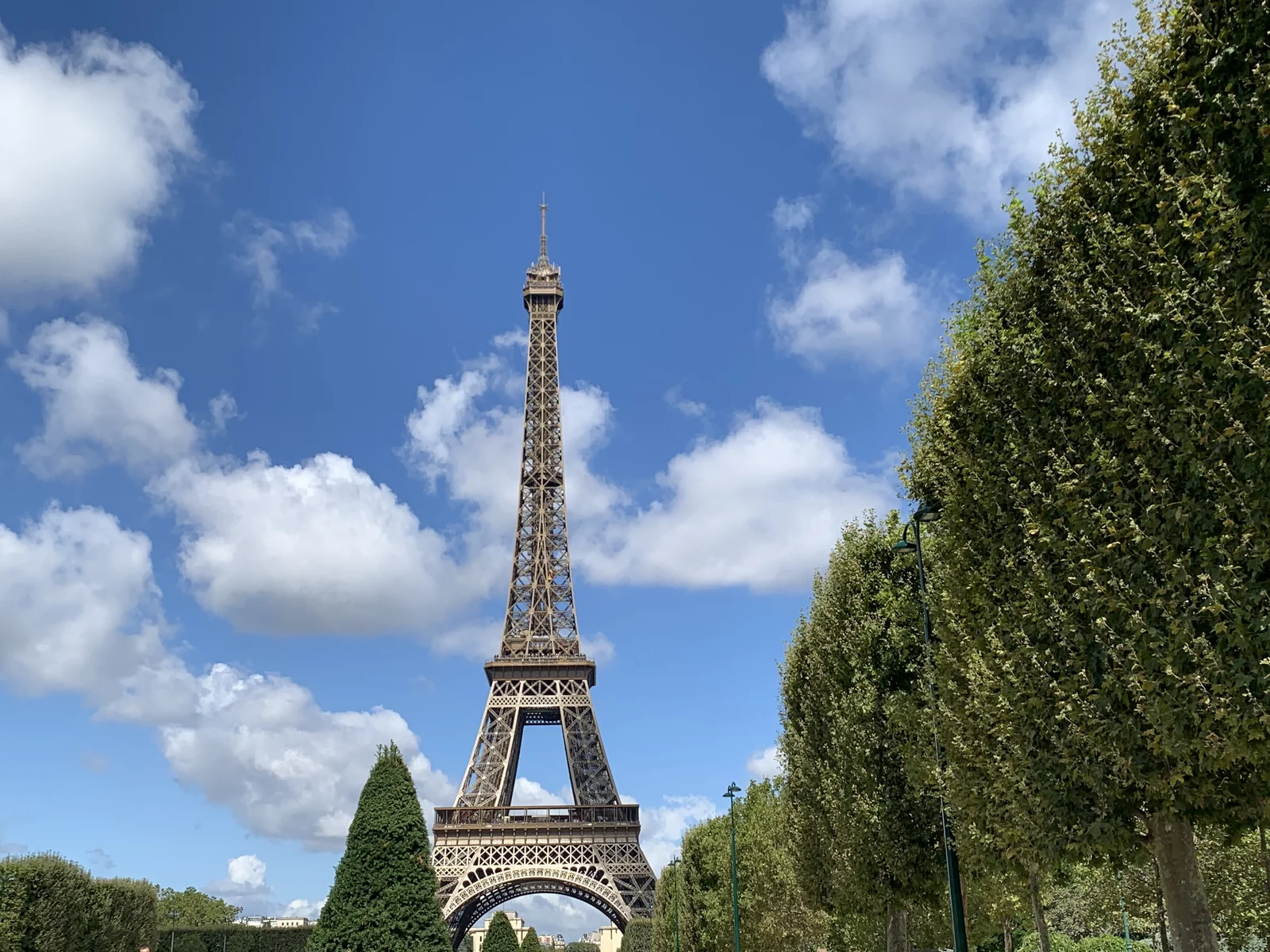
With two full days in Paris, give one morning to a museum and another to the Eiffel Tower area. Build the rest around the Seine, a neighbourhood you want to explore and time to sit down for a meal.
Pair the Louvre with the islands and Latin Quarter on day one, then the Eiffel Tower with an optional cruise and Montmartre on day two. The alternatives below offer more art or less walking.
Arrange the days around your reservations
Start with your main museum. The Louvre normally closes on Tuesdays; Musée d'Orsay, the alternative in this route, normally closes on Mondays. Both can also have holiday or exceptional closures, so use your actual travel dates when planning.
Next, decide whether you want to go up the Eiffel Tower or simply see it from the surrounding streets and riverbank. For an ascent, check the exact ticket category: the second floor and the summit are different destinations, and stair access and lift access are different experiences.
Keep your arrival day separate if you are flying overnight. A delayed flight, hotel bag drop and jet lag can turn an ambitious museum reservation into an expensive source of stress.
Plan in Paris local time, with two full days available.
Day one: the Louvre, the Seine and the Latin Quarter
Morning: choose a focused Louvre visit
Aim for a morning reservation and set aside roughly three hours for a selective visit, with extra time around it for entry and getting your bearings.
Before arriving, choose a small set of priorities. The Mona Lisa and major sculpture highlights can form one route; a favourite period or collection can form another.
For a structured route, consider a Louvre admission and guided tour with a start time that fits your morning.
Check room openings close to your visit. Individual galleries and artworks may be unavailable, even when the museum itself is open. Check in advance if one work is essential to your visit.
Lunch: near the Louvre or along the Seine
After the museum, stop for lunch near the Louvre or along the river.
The direct afternoon route goes east along the Seine towards Île de la Cité. Allow around 30–45 minutes from the Louvre area with pauses. If you would rather sit in the Tuileries first, do that, but recognise it adds a westward detour before heading east again.
Afternoon: the islands and Notre-Dame
Continue towards Île de la Cité and the exterior of Notre-Dame. The cathedral's general admission is free. Its own reservation system offers optional free time slots; a paid guided activity should not be confused with a charge to enter the cathedral itself.
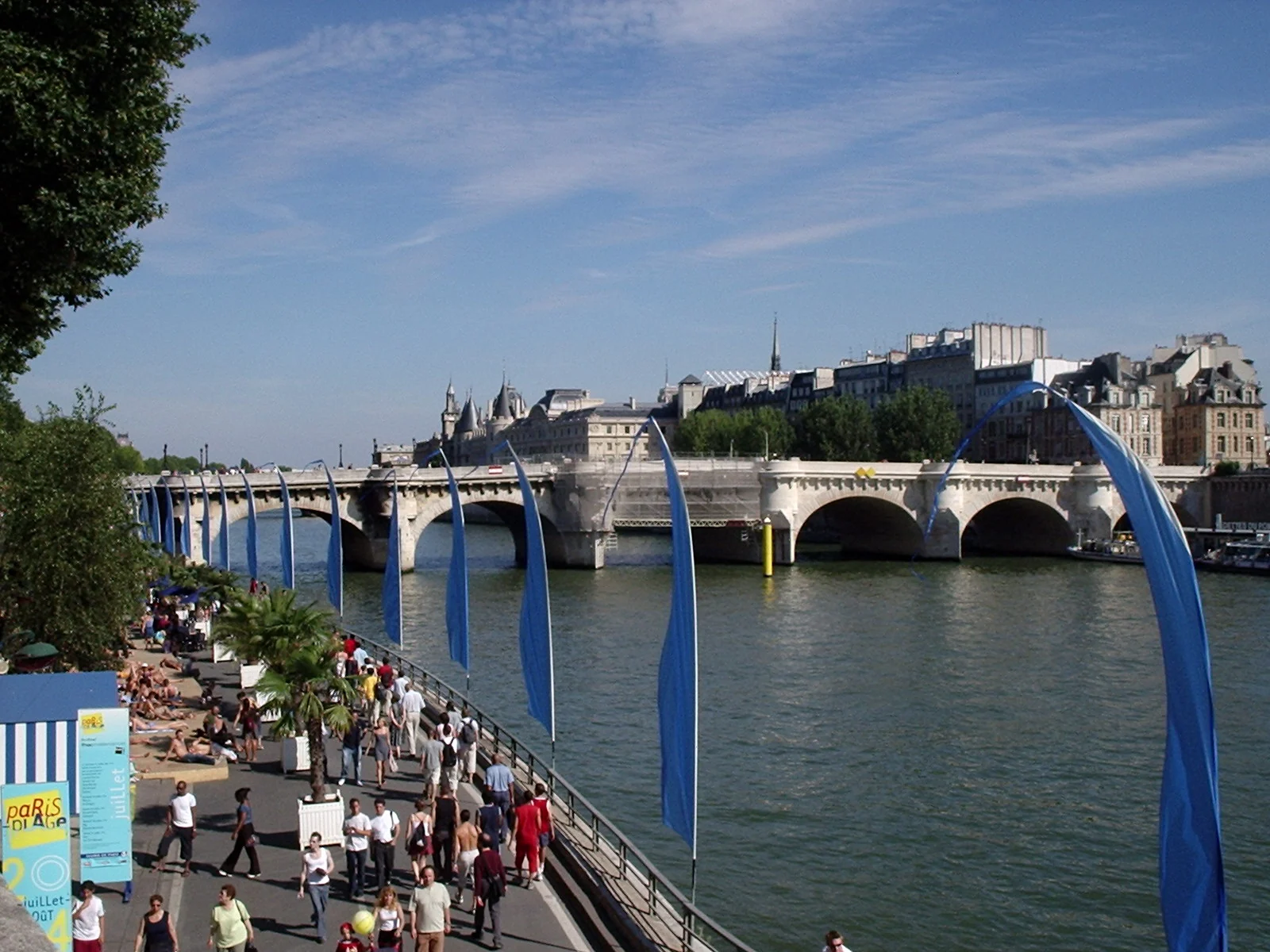

If you plan to go inside, leave the afternoon flexible. Entry arrangements and waiting time can affect your next stop, and the cathedral remains a place of worship. Check the current visitor instructions close to the day rather than relying on an old reservation-release timetable.
Afterwards, walk across to the Left Bank for the Latin Quarter. You can stay close to the river or continue through the smaller streets before dinner.
Evening: make dinner the plan
Keep dinner in the Latin Quarter or nearby Saint-Germain-des-Prés, depending on where you finish. If you want a river cruise instead, choose a departure pier you can reasonably reach and check whether it returns to the same place.
For a dinner cruise, check the meal inclusions, duration and boarding instructions as well as the route.
Day two: the Eiffel Tower and a different side of Paris
Morning: the tower and its setting
Start with the Eiffel Tower area. If your reserved entry time permits, begin at Trocadéro for the wider view, then make your way down towards the tower. Allow room for photos and the approach rather than arriving at the last minute.
For an ascent, plan a substantial morning block. You could choose second-floor access by lift, or a summit ticket if you want to go higher. Allow for security, lift queues and time on each level. A summit ticket adds another stage to the visit, and access can be affected by operating or weather conditions.
Follow the arrival instructions attached to your ticket. Do not interpret a timed reservation or priority wording as permission to bypass mandatory security checks.
If you prefer to stay at ground level, enjoy the views from the surrounding area and the river, then move on.
Lunch and early afternoon: choose your pace
After lunch, choose one of these options:
- A seated break: consider a Seine sightseeing cruise by Bateaux-Mouches from Port de la Conférence, by Pont de l’Alma. This is a separate boarding point from the piers beside the Eiffel Tower. Check the sailing time before arranging the rest of the afternoon.
- More time outdoors: continue along the river and spend longer around the Eiffel Tower neighbourhood, stopping when you like.
- More art: visit Musée d'Orsay, provided it is open and you can secure suitable admission. In this version, skip Montmartre and give the museum a proper afternoon.
Late afternoon: Montmartre, if you have the energy
If you choose Montmartre, use public transport or a taxi from the Eiffel Tower area. These are separate parts of Paris, so allow a generous transfer window rather than treating the move as a short stroll.
Once there, take your time on the hill and in the surrounding streets. Montmartre involves slopes, steps and uneven surfaces; plan an easier approach if those are difficult for your group.
If you are tired, stay near the river instead.
What to change for your dates and interests
Visiting on a Tuesday: put the Louvre on the other day, or choose Orsay if that better fits your interests. Rebook the whole day's sequence around the change rather than simply moving the museum into a tiny gap.
A museum-light trip: replace the Louvre interior with the courtyard, gardens and a longer neighbourhood walk. Keep one ticketed experience as the day's main event.
Travelling with children: shorten the museum route, keep a meal before the next reservation and choose between the cruise and Montmartre. A smaller itinerary gives everyone more room to enjoy it.
Hoping to visit Versailles: give it a separate day, or consciously use one of your two days for it. The estate is outside central Paris and deserves a different schedule, including transport and considerable walking.
A few practical details
For a tour, check the meeting point and time as well as the attraction entry time; these may differ.
Check the current Paris transport ticket rules rather than following old advice about paper tickets or airport fares. Airport journeys can require a different ticket from an ordinary city trip. Use live journey information on the day, particularly before a timed visit.
Quick questions
Can I fit the Louvre and Eiffel Tower into one day?
Yes, with suitable reservations and a transfer between them, but splitting them across two mornings makes this first-time route less tiring and leaves more flexibility.
Should I visit both the Louvre and Orsay?
Choose both if art is a priority. For a broader first visit, pick one and keep time for the river and neighbourhoods.
Do I need to pay to enter Notre-Dame?
General cathedral admission is free. Separate attractions or guided services may have their own terms; check exactly what a paid product provides.
What should I leave out first?
Remove the extra cross-city neighbourhood visit before shortening your favourite attraction. Montmartre is the easiest part of this route to save for another trip.