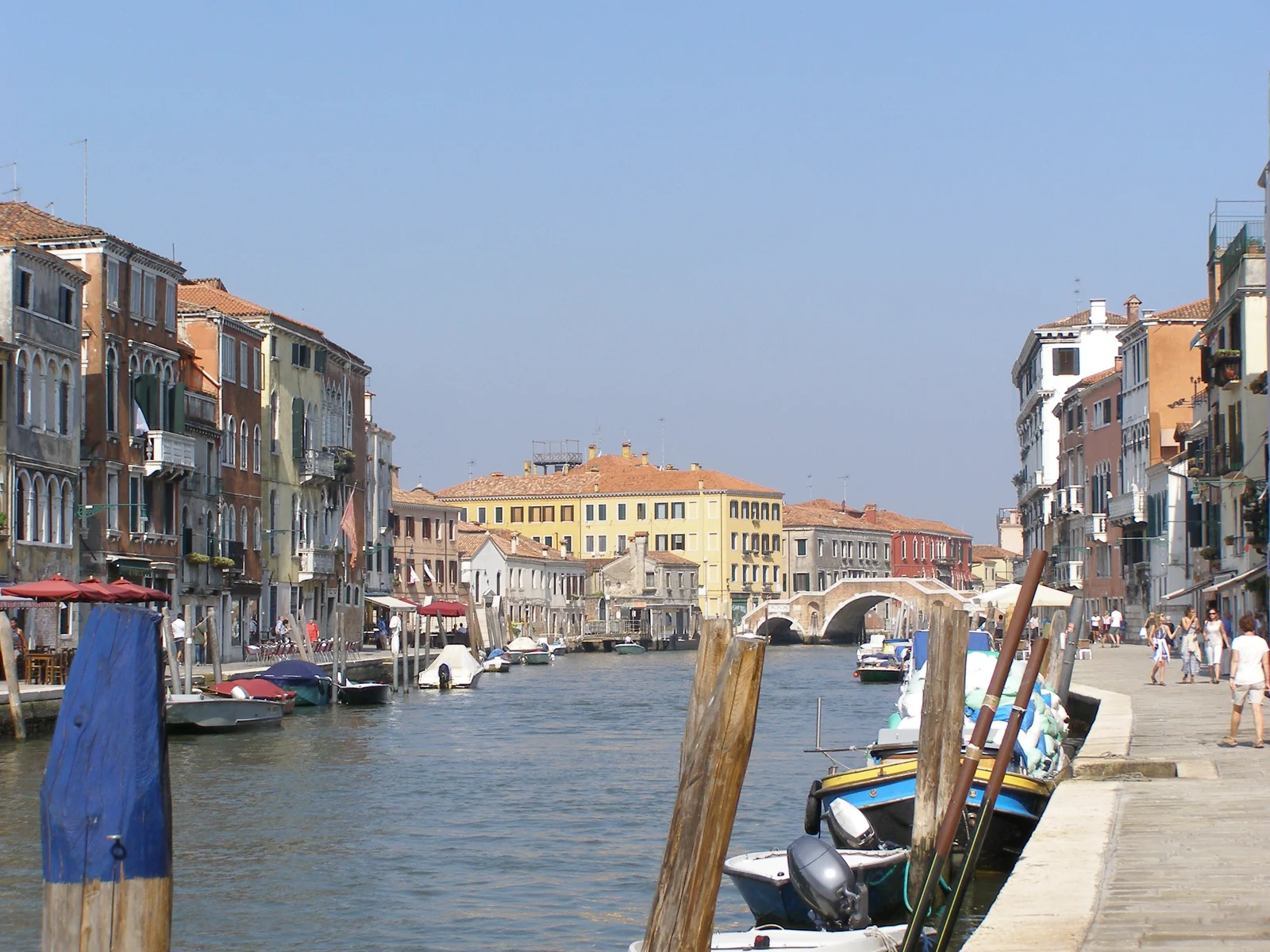
Two days in Venice give you time for the grand sights around St Mark’s Square and a second, less hurried side of the city. Spend the first day around San Marco and Rialto. On the second, choose between the lagoon islands and a longer walk through Venice’s neighbourhoods.
Canals and bridges can make distances deceptive. Allow for indirect walking routes and waterbus waits between reservations.
Check your arrival and the current access-fee rules
If you arrive by train, Venezia Santa Lucia is the station in the historic city; Venezia Mestre is on the mainland. Check which one is on your booking. Take bags to your accommodation or arranged storage before starting a day of bridges and museum visits.
Venice’s access fee is separate from accommodation taxes and attraction tickets. As checked on 3 October 2026, the city says its 2026 trial ended on 26 July. From 27 July, no access-fee payment or exemption request is required under that trial. Arrangements for later years need a fresh check; do not assume a previous year’s dates still apply.
Before travelling, check the municipal access-fee portal for the rules on your dates. A museum ticket or transport pass does not, by itself, establish your position under any future access-fee scheme.
Day one morning: start around St Mark’s Square
Begin with time in the square before your first booked visit. The basilica, campanile and Doge’s Palace are all here.
St Mark’s Basilica is a natural first interior if its mosaics and sacred architecture are your priority. Different tickets include different areas: the basilica, Pala d’Oro, museum and Horses Loggia are not automatically one admission. A cathedral-only hosted entry covers a different visit from a fuller combination. Book the parts you want, and bring a valid identity document because tickets are named.
The basilica has different sightseeing arrangements on Sundays and religious holidays. Sunday morning is generally reserved for worship in the basilica itself, while the museum has a separate visitor arrangement. If your first day is Sunday, place the basilica visit later or swap the two days.
Wear clothing that covers shoulders and knees. This is a working religious building, so services and special celebrations can alter visitor access.
Late morning or afternoon: give the Doge’s Palace enough time
The Doge’s Palace is a substantial visit, with grand rooms that make the workings and ambitions of the Venetian Republic easier to imagine. Allow roughly two hours for a selective first visit, and longer if you like reading closely or are joining a tour.
Check the Doge’s Palace entry ticket and its entry conditions before fixing the order. The museum currently says that St Mark’s Square Museums tickets without a specific entry time allow Doge’s Palace admission from noon onwards. A morning plan therefore needs a suitable timed arrangement; an open ticket should not be assumed to permit entry at opening.
You can comfortably make the basilica and palace the day’s main visits if you have reservations with a sensible gap.
Leave a lunch break between the two visits.
Afternoon: walk towards Rialto with room to wander
From San Marco, make your way towards Rialto. The route winds through narrow shopping streets; allow time for detours.

Cross the Rialto Bridge and pause along the Grand Canal. Then choose whether to stay around San Polo or continue towards Cannaregio for the evening.
A waterbus ride can give you another view of the Grand Canal if it fits your route. Waterbuses are public transport and can be busy; a waterside seat is not guaranteed.
Day two option one: Murano and Burano
Choose the islands if you want time on the lagoon and are interested in crafts, smaller-scale streets and a different rhythm from the central sights.
Murano makes sense for glass. You can build the visit around the Glass Museum or a specifically arranged glassworking demonstration. Check what a demonstration includes and whether it is attached to a shop visit, rather than assuming every stop is the same experience.
Burano is well known for its colourful houses and lace tradition. It is a good place to stop for lunch between walks. Its Lace Museum adds context if you want more than a visual stop.
Plan most of the day for both islands. Boat journeys, waits and walks between stops take a substantial part of the day. Adding Torcello leaves less time on each island.
Check current waterbus routes and your last practical return option before leaving. Avoid placing an inflexible mainland train departure immediately after the island outing.
Day two option two: stay in Venice
If two major sights were enough on day one, stay in the historic city. Spend the morning around Dorsoduro, with the waterfront at the Zattere as a place to slow down.
Later, cross back through San Polo or visit the streets of Cannaregio. This version needs fewer boat journeys and leaves time for smaller streets and shops.
It is also the easier alternative when strong wind or poor weather makes a long lagoon outing less appealing. If unusually high water is forecast, check the city’s current advice and allow extra time for altered walking routes.
Use waterbuses where they improve the trip
An ACTV time-based travel ticket can be useful if you plan several journeys or an island day. Compare it with the journeys you will actually make. Walking most of day one and using boats mainly on day two may call for a different ticket from using waterbuses throughout the stay.

ACTV’s normal day and multi-day products have defined networks and exclusions. Airport connections and Alilaguna services should not be assumed to be included. Validate the travel document as required for each journey, even when using a pass.
Use ACTV’s current transport information to check coverage and validation instructions. For boat departures, use the operator’s current journey information rather than an old screenshot of a timetable.
Quick questions
Is two days enough for Venice?
It is enough for a satisfying first visit with a few well-chosen interiors and time to walk. It is not enough to see every major museum and every lagoon island at an easy pace.
Can you fit this into one day?
Keep San Marco and Rialto, and choose one main interior visit. Save the islands for another trip unless they are your main reason for coming.
Do you need a gondola ride?
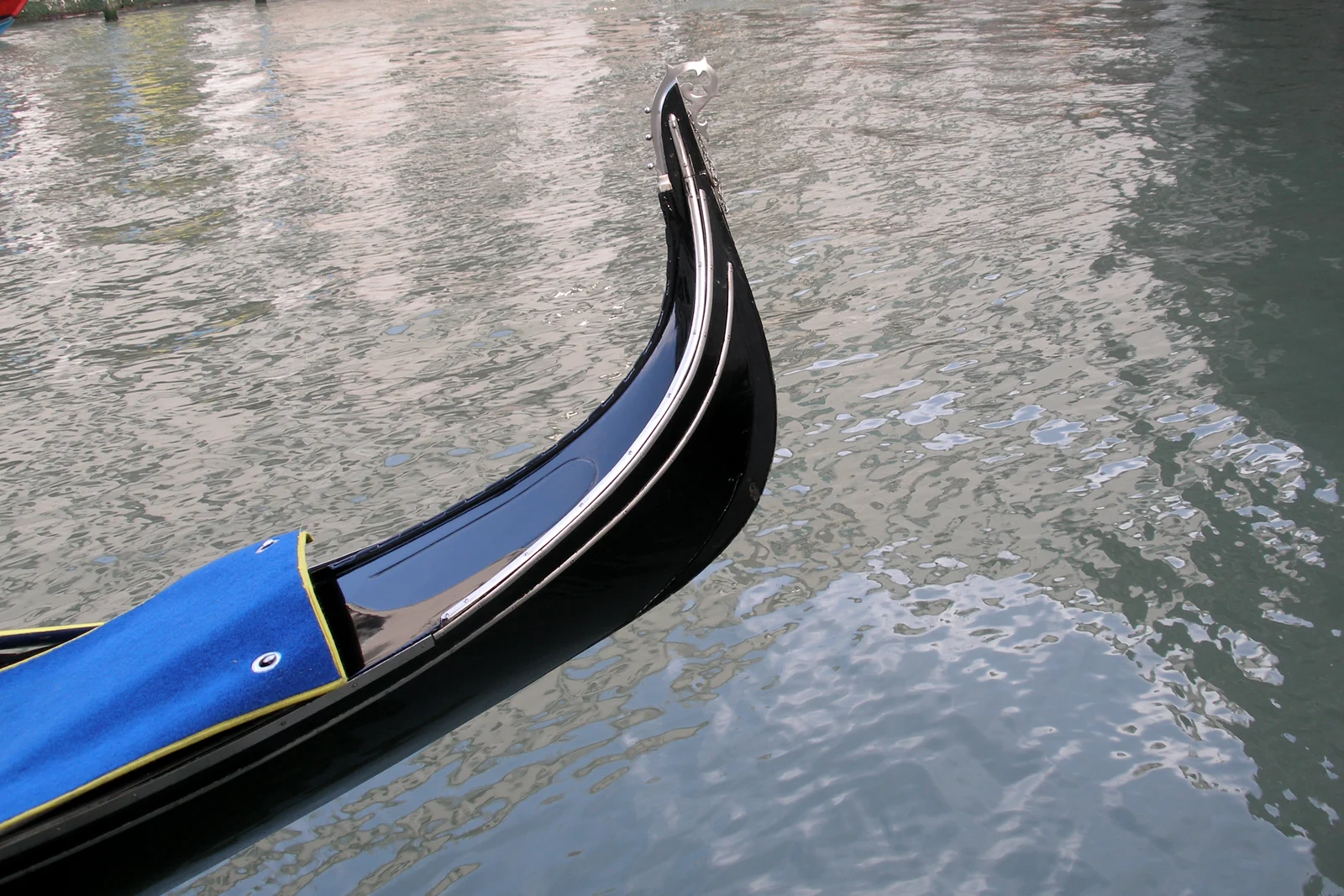
Only if it is an experience you want. A gondola and a waterbus serve different purposes, and neither is essential to appreciating Venice on foot. If you book a gondola, check the boarding point, shared or private format and stated duration.
What should you leave unbooked?
Keep the neighbourhood walks flexible. If you choose the islands, leave the evening free until you know your return time.